


@2024 Jazak Builders. All rights reserved.
Best Home Builders in Kerala: Cost, Quality & How to Choose (2026 Guide)
Best Home Builders in Kerala: Cost, Quality & How to Choose (2026 Guide)
Building your dream home builders in Kerala is one of the most significant investments you’ll ever make. With the state’s unique architectural heritage, tropical climate challenges, and varying construction costs across districts, choosing the right home builder in kerala can make all the difference between a smooth construction experience and a nightmare filled with delays, cost overruns, and quality issues.
This comprehensive guide will walk you through everything you need to know about selecting the best home builders in Kerala, understanding construction costs, ensuring quality, and making informed decisions for your 2026 building project.
Understanding the Kerala Home Construction Landscape in 2026
Kerala’s construction industry has evolved significantly over the past few years. The demand for sustainable homes, modern architectural designs blending traditional Kerala aesthetics, and earthquake-resistant structures has reshaped how builders in kerala operate. Whether you’re planning to build in Kochi, Thiruvananthapuram, Kozhikode, Thrissur, or any other district, understanding current market dynamics is essential.
The construction cost per square foot in Kerala varies dramatically based on location, materials, design complexity, and the builders in kerala reputation. As of 2026, homeowners should expect to invest anywhere from ₹1,500 to ₹3,500 per square foot for standard to premium construction, with luxury projects exceeding ₹4,000 per square foot.
What Makes a Home Builder the “Best” Choice?

Before diving into cost considerations, let’s establish what separates exceptional home builders in kerala from average contractors in Kerala.
Licensing and Registration: The best home builders in Kerala hold valid licenses from local authorities and are registered with professional bodies. They comply with Kerala’s building regulations, panchayat rules, and environmental guidelines. Always verify their credentials with the Kerala Real Estate Regulatory Authority (K-RERA) if they’re involved in multiple projects.
Portfolio and Experience: Experienced builders in kerala bring invaluable knowledge about Kerala’s construction challenges, from monsoon-proofing to selecting termite-resistant materials. Review their completed projects, preferably in person, to assess workmanship quality, design execution, and client satisfaction.
Transparent Pricing: Top-tier builders in kerala provide detailed quotations breaking down material costs, labor charges, contractor fees, and miscellaneous expenses. They avoid vague estimates that leave room for unexpected price escalations during construction.
Quality Materials and Workmanship: Premium builders in kerala source quality materials from reputable suppliers and employ skilled workers. They don’t compromise on foundation strength, waterproofing, electrical systems, or plumbing to cut corners.
Timeline Adherence: Reliable home builders in Kerala provide realistic timelines and stick to them. Delays can be costly, especially if you’re paying rent elsewhere or have planned your move.
Post-Construction Support: The best builders in kerala offer warranties on structural work and remain available for addressing issues that arise after handover.
Construction Costs in Kerala: A Detailed Breakdown
Understanding construction costs helps you budget accurately and negotiate effectively with potential builders in kerala.
Basic Construction Cost Components
Foundation and structural construction generally accounts for nearly 25–30% of the total house construction cost. Kerala’s soil conditions, especially in coastal areas and backwater regions, may require deeper foundations or pile work, increasing expenses. Expect to pay ₹400-₹800 per square foot for foundation and structural elements.
Brick Work and Plastering: Standard brick work with plastering costs approximately ₹300-₹500 per square foot, depending on brick quality and finish requirements. Many Kerala homes now incorporate cement blocks or fly ash bricks as cost-effective alternatives.
Roofing: Kerala’s heavy monsoons demand robust roofing solutions. Traditional tiled roofs cost ₹250-₹400 per square foot, while modern concrete roofing ranges from ₹350 to ₹600 per square foot. Premium options like Mangalore tiles or designer roofing can exceed ₹800 per square foot.
Flooring: Flooring costs vary widely based on material choice. Vitrified tiles start at ₹150 per square foot, while marble, granite, or wooden flooring can range from ₹300 to ₹1,200 per square foot installed.
Electrical and Plumbing: Quality electrical wiring and plumbing typically cost ₹200-₹350 per square foot combined. Don’t compromise here, as substandard work leads to expensive repairs later.
Finishing and Interiors: Paint, fixtures, doors, windows, and interior details can cost ₹400-₹1,000 per square foot depending on your choices. This is where costs can spiral if not carefully managed.
Labor Charges: Skilled labor in Kerala commands premium rates, especially in urban areas. Labor typically represents 30-40% of your total construction budget.
District-wise Cost Variations
Construction costs differ across Kerala’s districts. Urban areas like Ernakulam (Kochi), Thiruvananthapuram, and Kozhikode generally have higher labor rates and material costs than rural districts like Wayanad, Idukki, or Kasaragod. Transportation costs for materials also impact final pricing in remote locations.
How to Choose the Right Home Builder: A Step-by-Step Process

Selecting the perfect builder in kerala requires systematic evaluation. Follow this proven approach to make the best decision.
Step 1: Define Your Requirements Clearly
Before approaching builders in kerala, document your needs: budget range, desired square footage, number of floors, architectural style preferences, timeline expectations, and must-have features. Clear requirements help builders provide accurate quotations and prevent scope creep.
Step 2: Research and Shortlist Builders
Start with recommendations from friends, family, or colleagues who’ve recently built homes in Kerala. Online reviews, social media presence, and builder websites provide additional insights. Shortlist 5-7 home builders in kerala who specialize in your project type and budget range.
Visit construction sites of shortlisted builders. Observing ongoing work reveals their organization, worker treatment, site cleanliness, and quality standards. Don’t hesitate to speak with site supervisors or workers about their experience.
Step 3: Verify Credentials and Experience
Check each builders in kerala registration, licenses, and insurance coverage. Request references from past clients and actually call them. Ask about their experience, whether the builder met deadlines, stayed within budget, addressed concerns promptly, and provided quality work.
Investigate if the builders in kerala has any pending legal disputes, complaints with consumer forums, or negative publicity. A quick search on the web often reveals important red flags.
Step 4: Request Detailed Quotations
Ask for itemized quotations from your shortlisted builders in kerala. The quote should specify materials (brands and grades), labor costs, timeline, payment schedule, and what’s included versus excluded. Compare quotations carefully, understanding that the cheapest option isn’t always the best value.
Beware of significantly low quotes, which often indicate substandard materials, inexperienced workers, or hidden costs that emerge later. Quality construction requires fair pricing.
Step 5: Evaluate Contract Terms
A comprehensive contract protects both parties. It should include project scope, specifications, a timeline with milestones, payment terms, change order procedures, warranty coverage, dispute resolution mechanisms, and termination clauses.
Have a lawyer review the contract before signing. Never proceed with builders in kerala who resist written agreements or provide vague terms.
Step 6: Communication and Compatibility
You’ll work closely with your builders in kerala for months. Choose someone who communicates clearly, listens to your concerns, provides regular updates, and treats you respectfully. Trust your instincts about compatibility.
Quality Assurance: Ensuring Your Home Meets Standards
No matter the budget, quality should always remain the top priority. Here’s how to ensure your builders in kerala delivers quality construction.
Material Verification: Insist on approved brands for cement, steel, electrical components, and plumbing fixtures. Visit the site to verify materials match specifications. Some builders substitute inferior products to boost margins.
Regular Inspections: Hire an independent civil engineer or architect to conduct periodic inspections at critical stages: foundation, structural work, plumbing rough-in, electrical installation, and finishing. Professional oversight catches problems early.
Testing and Certifications: Ensure soil testing, concrete cube testing, and electrical load testing are performed and documented. These tests verify structural integrity and safety compliance.
Waterproofing and Weatherproofing: Kerala’s climate demands excellent waterproofing. Ensure proper damp-proof course installation, terrace waterproofing, bathroom waterproofing, and external wall treatment.
Building Code Compliance: Your builder in kerala must comply with Kerala’s building codes, fire safety regulations, and environmental norms. Non-compliant construction creates legal issues and resale difficulties.
Common Mistakes to Avoid When Hiring Home Builders

Learning from others’ mistakes saves money and stress. Here are pitfalls Kerala homeowners frequently encounter.
Choosing Based on Price Alone: The cheapest builder often delivers the poorest results. Balance cost with quality, reputation, and reliability.
Skipping Due Diligence: Failing to verify credentials, check references, or visit completed projects leads to poor builder selection.
Accepting Vague Contracts: Ambiguous agreements allow builders to cut corners, substitute materials, or claim additional costs weren’t included.
Poor Communication: Not establishing clear communication channels results in misunderstandings, incorrect execution, and frustration.
Ignoring Warning Signs: If a builder pressures for large advance payments, avoids written commitments, or has numerous negative reviews, walk away.
Inadequate Budget Planning: Underestimating costs leads to financial stress and compromised quality when funds run short.
Neglecting Legal Requirements: Building without proper approvals, permits, or plan sanctions creates legal problems and penalties.
Sustainable and Energy-Efficient Building Options
Modern Kerala homeowners increasingly prioritize sustainability and energy efficiency. The best home builders in kerala now offer eco-friendly solutions.
Rainwater Harvesting: Kerala receives abundant rainfall. Properly designed rainwater harvesting systems reduce water costs and environmental impact.
Solar Energy: Solar panels offset electricity costs. Many builders in kerala integrate solar-ready infrastructure during construction.
Natural Ventilation: Traditional Kerala architecture maximizes natural ventilation, reducing air conditioning needs. Modern builders incorporate these principles while meeting contemporary aesthetic preferences.
Sustainable Materials: Alternatives like fly ash bricks, bamboo, recycled materials, and low-VOC paints reduce environmental impact without compromising quality.
Energy-Efficient Fixtures: LED lighting, energy-star rated appliances, and high-efficiency HVAC systems lower operating costs.
Common Builder Red Flags Every Homeowner Should Know
Certain warning signs should immediately disqualify a builders in kerala from consideration.
No Physical Office: Builders operating without permanent offices or showrooms often lack stability and accountability.
Refusal to Provide References: Legitimate builders happily share past client contacts.
Pressure Tactics: High-pressure sales techniques, limited-time offers, or demands for large upfront payments signal unprofessional operations.
Incomplete Documentation: Builders unable or unwilling to provide licenses, insurance proof, or detailed contracts should be avoided.
Poor Communication: Difficulty reaching the builder, delayed responses, or evasive answers indicate future problems.
Negative Online Presence: Multiple complaints on consumer forums, social media, or review sites reveal consistent issues.
The Construction Process: What to Expect
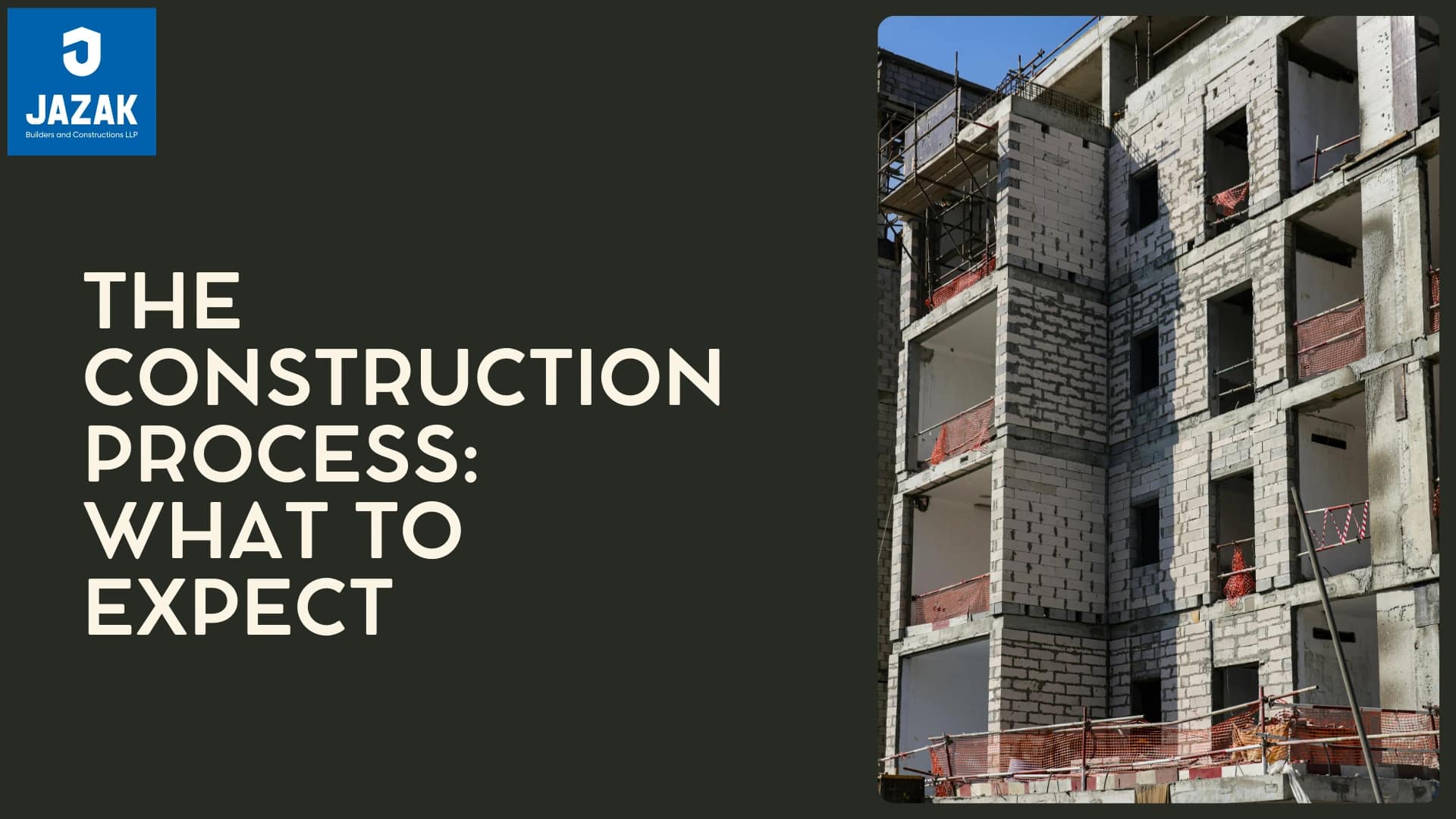
Understanding the typical construction company in kerala timeline helps set realistic expectations.
Planning and Approval Phase (2-4 months): Includes architectural design, plan approval from local authorities, and finalizing specifications.
Foundation Work (1-2 months): Excavation, foundation laying, and initial structural work.
Structural Construction (3-6 months): Column work, slab casting, brick work, and roofing for a typical 2000 sq ft home.
Finishing Work (2-4 months): Plastering, flooring, painting, electrical and plumbing installation, and fixture fitting.
Landscaping and Final Touches (1 month): Compound wall, driveway, garden, and final cleaning.
Total construction time ranges from 9-17 months depending on project complexity, weather conditions, and material availability.
Emerging Trends in Kerala Home Construction
Staying informed about current trends helps you make future-proof decisions.
Smart Home Integration: Automated lighting, security systems, climate control, and entertainment systems are increasingly standard.
Open Floor Plans: Modern Kerala homes embrace open-concept living spaces while maintaining traditional courtyards or nadumuttams.
Minimalist Aesthetics: Clean lines, neutral colors, and clutter-free designs appeal to younger homeowners.
Multi-Generational Living: Designs accommodating extended families with separate living quarters while maintaining shared spaces.
Wellness-Focused Design: Home gyms, meditation spaces, indoor plants, and biophilic design elements promote wellbeing.
Making the Final Decision
After completing your research, visiting sites, checking references, and comparing quotations, trust your comprehensive evaluation rather than relying on gut feeling alone.
Consider creating a scoring matrix rating each builders in kerala on criteria like experience, reputation, price competitiveness, communication quality, contract clarity, and portfolio quality. This objective approach prevents emotional decision-making.
Remember that building a home is a marathon, not a sprint. The right builders in kerala becomes your partner in creating a space where you’ll make lifelong memories. Invest time in selection to ensure success.
Conclusion
Choosing the best home builder in Kerala requires balancing cost, quality, and trust. The 2026 construction landscape offers more choices than ever, from traditional builders to modern construction management firms. By conducting thorough research, verifying credentials, demanding transparency, and maintaining realistic expectations, you can find a builders in kerala who transforms your vision into reality.
Don’t rush the decision. A few extra weeks spent finding the right builders in kerala to prevents years of regret. Your dream home deserves nothing less than the best professional executing it.
Whether you’re building a traditional nalukettu, a contemporary villa, or a modest family home, Kerala’s construction industry has skilled builders in kerala ready to serve you. Companies like Jazak Builders and Constructions LLP represent the growing number of professional construction firms in Kerala committed to delivering quality homes in kerala with transparent pricing and reliable service. Use this guide as your roadmap to making informed, confident decisions that result in a beautiful, durable, and valuable home.
Please note that the construction costs mentioned throughout this guide are approximate estimates and may vary based on location, material choices, market fluctuations, and project specifications. Always obtain updated quotations from multiple builders for accurate pricing specific to your requirements.
Frequently Asked Questions (FAQs)
1. What is the average construction cost per square foot in Kerala in 2026?
The construction cost per square foot in Kerala ranges from ₹1,500 to ₹3,500 for standard to premium construction, depending on location, materials, and builder reputation. Basic construction starts around ₹1,500-₹1,800 per sq ft, mid-range quality costs ₹2,000-₹2,500 per sq ft, and premium construction ranges from ₹2,800-₹3,500 per sq ft. Luxury homes can exceed ₹4,000 per sq ft. Costs vary significantly between urban areas like Kochi and rural districts. Always get detailed quotations from multiple builders to understand what’s included in their per-square-foot pricing.
2. How do I verify if a home builder in Kerala is licensed and legitimate?
Verify builder credentials by checking their registration with local municipal authorities or panchayats, confirming their GST registration number, requesting their professional license and insurance certificates, and checking registration with K-RERA (Kerala Real Estate Regulatory Authority) for developers. Visit their physical office, review their portfolio of completed projects, contact previous clients for references, and search online for complaints or legal issues. Legitimate builders readily provide documentation and welcome verification. Never proceed with builders who resist providing credentials or operate without proper registration.
3. What should be included in a home construction contract with a builders in kerala?
A comprehensive construction contract must include detailed project specifications with materials and brands, complete cost breakdown with itemized pricing, clear timeline with milestone dates, payment schedule tied to construction stages, quality standards and testing requirements, warranty terms for structural and finishing work, change order procedures and pricing, dispute resolution mechanisms, penalties for delays, and termination clauses. The contract should specify who provides materials, how cost escalations are handled, inspection rights, and insurance coverage. Have a lawyer review the contract before signing to protect your interests and ensure all verbal promises are documented.
4. How long does it take to build a house in Kerala from start to finish?
A typical 1500-2000 square foot home in Kerala takes 12-18 months from plan approval to completion. The process includes planning and approval (2-4 months), foundation work (1-2 months), structural construction (4-6 months), finishing work including plumbing, electrical, flooring, and painting (3-4 months), and final landscaping and cleanup (1 month). Timeline varies based on design complexity, weather conditions (monsoons cause delays), material availability, builder efficiency, and regulatory approval speed. More complex designs, larger homes, or properties in remote locations may take longer. Ensure your builder provides a realistic timeline with milestones in the contract.
5. What are the hidden costs in home construction that builders in kerala don’t mention upfront?
Common hidden costs include plan approval fees and architect charges, soil testing and geotechnical investigations, additional foundation work for weak soil, price escalation in materials during construction, GST and other taxes not clearly mentioned, electrical transformer or connection charges, water connection and well-digging costs, compound wall and gate construction, landscaping and driveway paving, overhead water tanks and pumps, termite treatment and waterproofing, builder’s contingency charges, and design changes during construction. Always ask for an all-inclusive quotation itemizing every expense. Always keep a 10–15% buffer beyond the quoted price for unexpected expenses during construction. Clarify what’s included and excluded before signing the contract.
6. How can I ensure the builders in kerala uses quality materials and doesn’t substitute cheaper alternatives?
Ensure material quality by specifying exact brands and grades in the contract, making payments conditional on material approval, visiting the construction site regularly to verify materials, hiring an independent engineer for periodic inspections, requesting bills and invoices for major materials, insisting on cement and steel from reputable manufacturers, checking manufacturing dates on cement bags, verifying electrical and plumbing component brands, and photographing materials delivered to the site. Test certificates for cement, steel, and concrete should be provided. Quality builders welcome scrutiny and provide transparency. Consider including penalties in the contract for material substitution without approval.
7. Should I hire a builders in kerala who offers design-build services or hire an architect separately?
Both approaches have merits. Design-build services offer single-point accountability, potentially faster timelines, integrated coordination between design and construction, and sometimes cost savings through builder-architect synergy. However, hiring an architect separately provides independent design expertise, protection of your interests during construction, creative freedom not limited by builder preferences, and professional oversight of construction quality. For complex or custom designs, separate architects often deliver superior results. For standard designs and budget projects, design-build can be efficient. Consider your project complexity, budget, and desire for customization when deciding. Regardless, ensure the architect is qualified and experienced.
8. What payment schedule should I follow when working with home builders in Kerala?
A fair payment schedule protects both parties and ensures quality work. Typical structure includes 10% advance upon contract signing, 20% after foundation completion, 20% after roof slab completion, 20% after brick work and plastering, 15% after flooring and electrical/plumbing rough-in, 10% after finishing work completion, and 5% after final inspection and handover. Never pay more than 10-15% as advance, avoid paying beyond work completed, tie payments to verified milestones, retain 5-10% for post-completion issues, and make payments through traceable banking channels. Large advance payments indicate cash flow problems or risk of fund misappropriation. Insist on receipts for all payments and photograph completed work before releasing milestone payments.
9. How do I handle disputes or quality issues with my builder during construction?
Address disputes promptly through documented communication. First, raise concerns in writing via email or letter, referencing specific contract clauses, maintaining photographic evidence of issues, and requesting corrective action within specified timeframes. Schedule meetings with the builder to discuss concerns and document agreements in writing. If unresolved, engage your contract-specified mediator or involve your supervising architect/engineer for technical arbitration. Consider withholding payment for disputed work until resolution, but ensure this is contract-permitted. For serious violations, file complaints with consumer forums, K-RERA, or builder associations. Legal action should be a last resort. Prevention through clear contracts, regular inspections, and good communication is best.
10. Are there any government schemes or subsidies available for home construction company in Kerala in 2026?
Several government programs support home construction in Kerala. The Pradhan Mantri Awas Yojana (PMAY) provides subsidies for eligible beneficiaries building new homes, with benefits including interest subsidies on home loans and direct assistance for economically weaker sections. The Kerala State Housing Board offers various schemes for government employees and low-income groups. Life Mission provides housing support for homeless and economically disadvantaged families. Tax benefits under Income Tax Section 80C and 24(b) apply to home construction loans. Additionally, some banks offer special interest rates for energy-efficient or green buildings. Eligibility depends on income levels, property value, and other criteria. Consult with local authorities, housing board offices, or financial advisors to identify applicable schemes and ensure your construction meets program requirements for benefits.
February 3, 2026
joy
best builders in kerala