


@2024 Jazak Builders. All rights reserved.
Modern Kerala House Design Ideas 2026
Modern Kerala House Design Ideas 2026
Introduction — Why 2026 Is a New Era for Kerala Home Design
Kerala has always been known for its rich architectural heritage—sloping tiled roofs, wooden carvings, large verandas, and lush courtyard gardens. But in 2026, homeowners across the state are redefining what a dream home looks like. The Modern Kerala House Design Ideas 2026 are no longer just about aesthetics—they are about smarter spaces, sustainable materials, and designs that respect the local climate while embracing contemporary living standards.
Whether you are building a new home in Thrissur, renovating a traditional house in Kozhikode, or planning a villa in Kochi, the Modern Kerala House Design Ideas 2026 offer something for every budget, every plot size, and every lifestyle. This comprehensive guide walks you through everything you need to know — from exterior styles and interior layouts to materials, budgets, and Vastu compliance.
The state’s unique geography—coastal, hilly, and urban zones—means that Modern Kerala House Design Ideas 2026 must be versatile. What works beautifully in a Wayanad hillside home may differ from a compact city home in Thiruvananthapuram. This guide covers it all.
Top Modern Kerala House Design Trends in 2026
The Modern Kerala House Design Ideas 2026 are shaped by a powerful blend of global minimalism and local tradition. Architects and interior designers across Kerala are converging on a few strong directions this year.
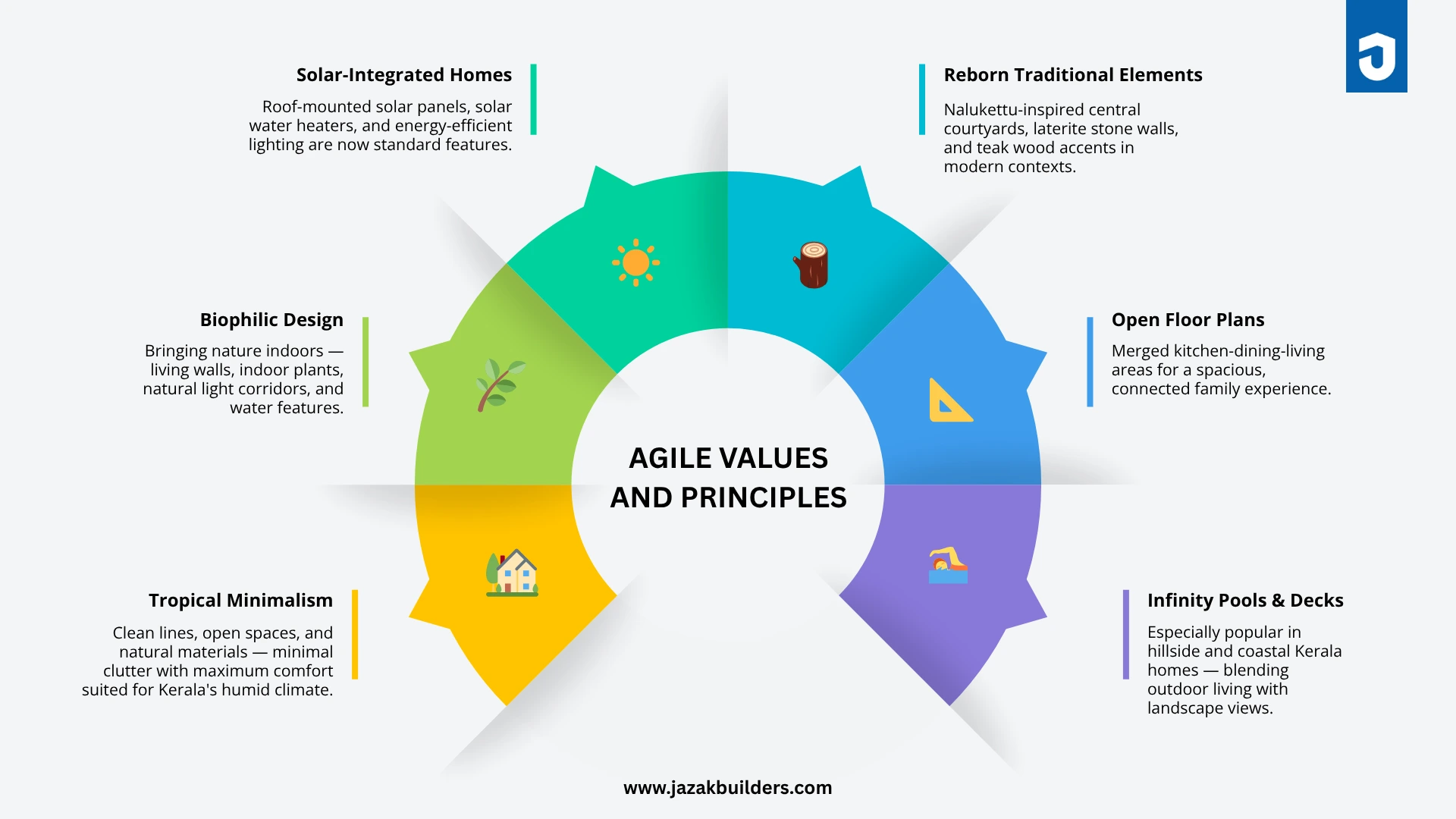
Each of these trends reflects a broader shift in how Keralites think about home — moving from pure function to a holistic experience. The Modern Kerala House Design Ideas 2026 are about creating a home that breathes, feels, and adapts to both you and the environment.
Exterior Design Ideas for Modern Kerala Homes in 2026
The exterior of your home is the first impression it makes—and in 2026, Kerala homes are making powerful statements. The Modern Kerala House Design Ideas 2026 for exteriors combine visual drama with practical climate-responsive design.
1. Flat Roof with Terrace Garden
Gone are the days when sloping roofs were the only option. Many modern Kerala homes in 2026 now feature flat roofs with usable terrace spaces—converted into gardens, outdoor lounges, or even solar panel platforms. This maximizes the available space while giving the home a sleek, contemporary silhouette.
2. Laterite Stone Cladding
Laterite stone, locally known as chuvanna kallu, is experiencing a strong revival. Its earthy red-orange texture gives homes a distinctly Kerala identity while being naturally cool and durable. Combining laterite cladding with white render creates a striking contrast that is widely used in Modern Kerala House Design Ideas 2026.
3. Large Overhanging Roofs
With Kerala receiving over 3,000 mm of rainfall annually, overhanging roofs are not just aesthetic—they are functional. Extended eaves protect walls, windows, and pathways from heavy monsoon rains. In 2026 designs, these overhangs are sleeker and more architectural in form.
4. Wooden Louvers and Screens
Wooden louvers on balconies, windows, and compound walls add texture, privacy, and ventilation simultaneously. They reference traditional Kerala woodwork while giving the facade a modern, layered look—a signature feature of modern Kerala house design ideas 2026.
5. Landscaped Entrance with Water Features
A well-designed entrance with native plants, pebble pathways, and small water features dramatically enhances curb appeal. Landscape architecture is now considered an integral part of the overall home design, not an afterthought.
Top Interior Design Trends for Kerala Homes in 2026
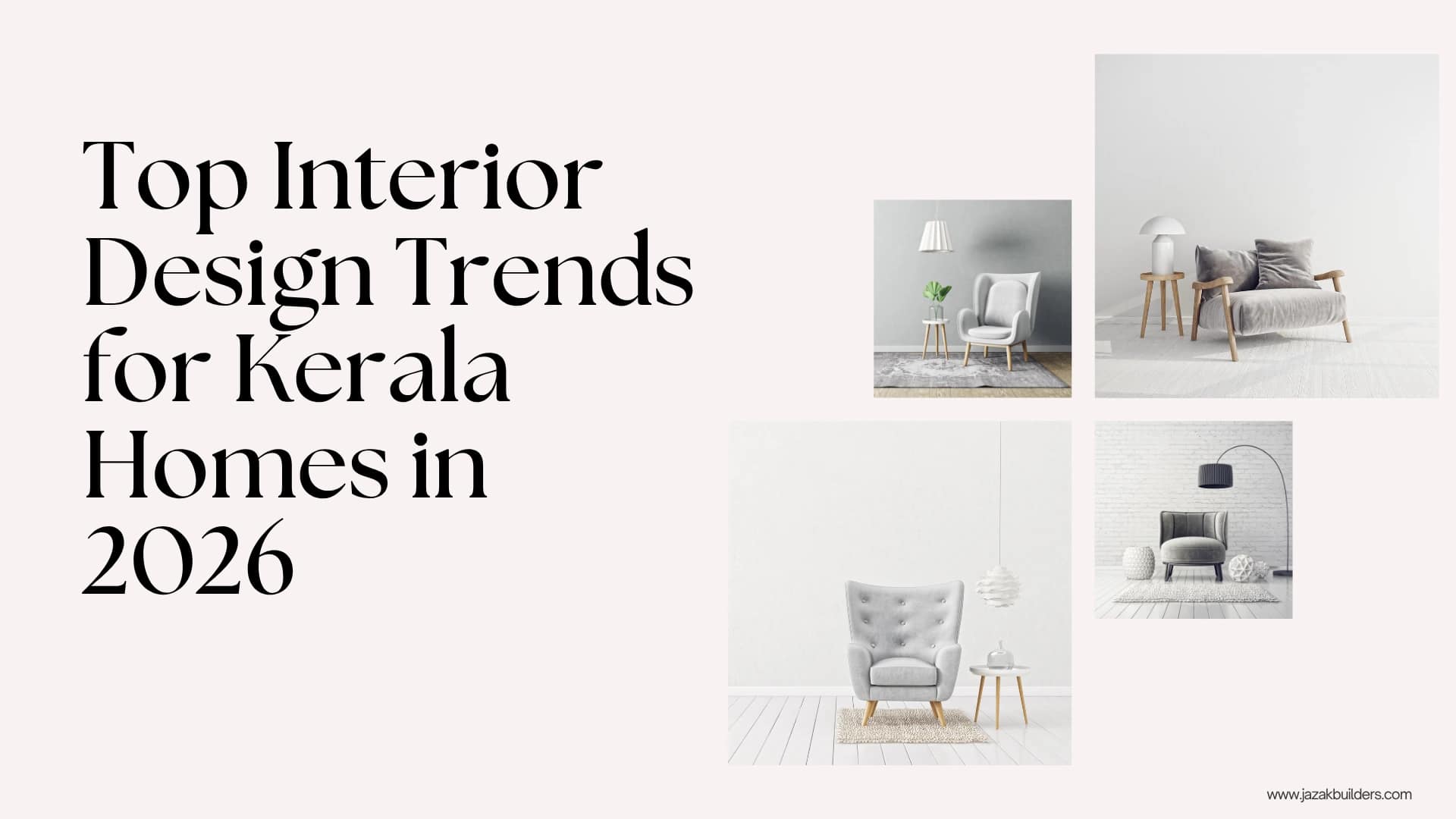
The interiors of a modern Kerala home in 2026 are where personal taste meets smart design. The Modern Kerala House Design Ideas 2026 for interiors are centered around comfort, functionality, and a warm, natural aesthetic.
Living Room
Low seating arrangements inspired by traditional Kerala floor culture are making a comeback—combined with modular sofas in neutral tones. Statement walls using exposed brick, textured plaster, or wooden paneling anchor the space. Large sliding glass doors connect the living room to the outdoors, maximizing natural light and ventilation.
Kitchen
Modular kitchens with island countertops are the top choice in Modern Kerala House Design Ideas 2026. Materials like Kota stone, granite, and quartz are preferred for countertops due to their durability in Kerala’s humid climate. Open shelving, warm-toned cabinetry, and hidden storage make the modern Kerala kitchen both beautiful and highly functional.
Bedrooms
Master bedrooms in 2026 Kerala homes feature attached bathrooms with large windows, walk-in wardrobes, and private sit-out balconies. Warm wooden flooring or polished concrete with area rugs creates an inviting atmosphere. False ceilings with indirect LED lighting add depth and elegance without overpowering the space.
Courtyard and Nalukettu Inspiration
The central courtyard concept from traditional Nalukettu architecture is being reinterpreted in modern homes. Even compact urban homes in Kochi or Thrissur are incorporating a small internal courtyard — a sky-lit open space that improves ventilation, brings in light, and creates a calming focal point. This remains one of the most beloved aspects of Modern Kerala House Design Ideas 2026.
“The courtyard is more than an architectural feature—it is the heart of a Kerala home. In 2026, it is being reimagined for smaller plots without losing its essence.”
Sustainable and Eco-Friendly Design in Kerala 2026
Sustainability is no longer optional in modern Kerala house design ideas 2026—it is expected. Kerala’s rich biodiversity and increasing climate concerns have pushed homeowners and architects to adopt greener practices at every stage of construction.
- Rainwater harvesting systems are now integrated into the foundation design of most new homes.
- Solar rooftop panels are heavily subsidized by the Kerala government—making them accessible to middle-class homeowners.
- Natural ventilation design reduces the dependence on air conditioning by positioning windows, courtyards, and openings to channel cross-breezes effectively.
- Recycled and reclaimed materials — old wooden beams, antique tiles, and repurposed laterite blocks — are being used creatively in contemporary homes.
- Waste management systems, including composting pits and biogas units, are now part of the home design plan.
Eco-friendly homes in Kerala are not just better for the environment — they are also more cost-effective in the long run. The integration of sustainability into Modern Kerala house design, 2026 is one of the most significant shifts in the state’s housing culture.
Vastu and Modern Design — Can They Coexist in 2026?
This is one of the most common dilemmas faced by homeowners exploring Modern Kerala House Design Ideas 2026. The answer is a confident yes—Vastu principles and modern architecture can absolutely coexist, and many of Kerala’s leading architects specialize in exactly this balance.
Key Vastu-compatible design choices that align well with modern aesthetics include placing the main entrance facing east or north, positioning the kitchen in the southeast, designing the master bedroom in the southwest, and keeping the center of the home—the Brahmasthana—open and unobstructed, which naturally aligns with the courtyard trend.
Many homeowners find that Vastu-compliant homes feel more balanced and harmonious, and modern architects are skilled at incorporating these principles without compromising on design quality or space efficiency.
Budget Planning for Your Modern Kerala Home in 2026
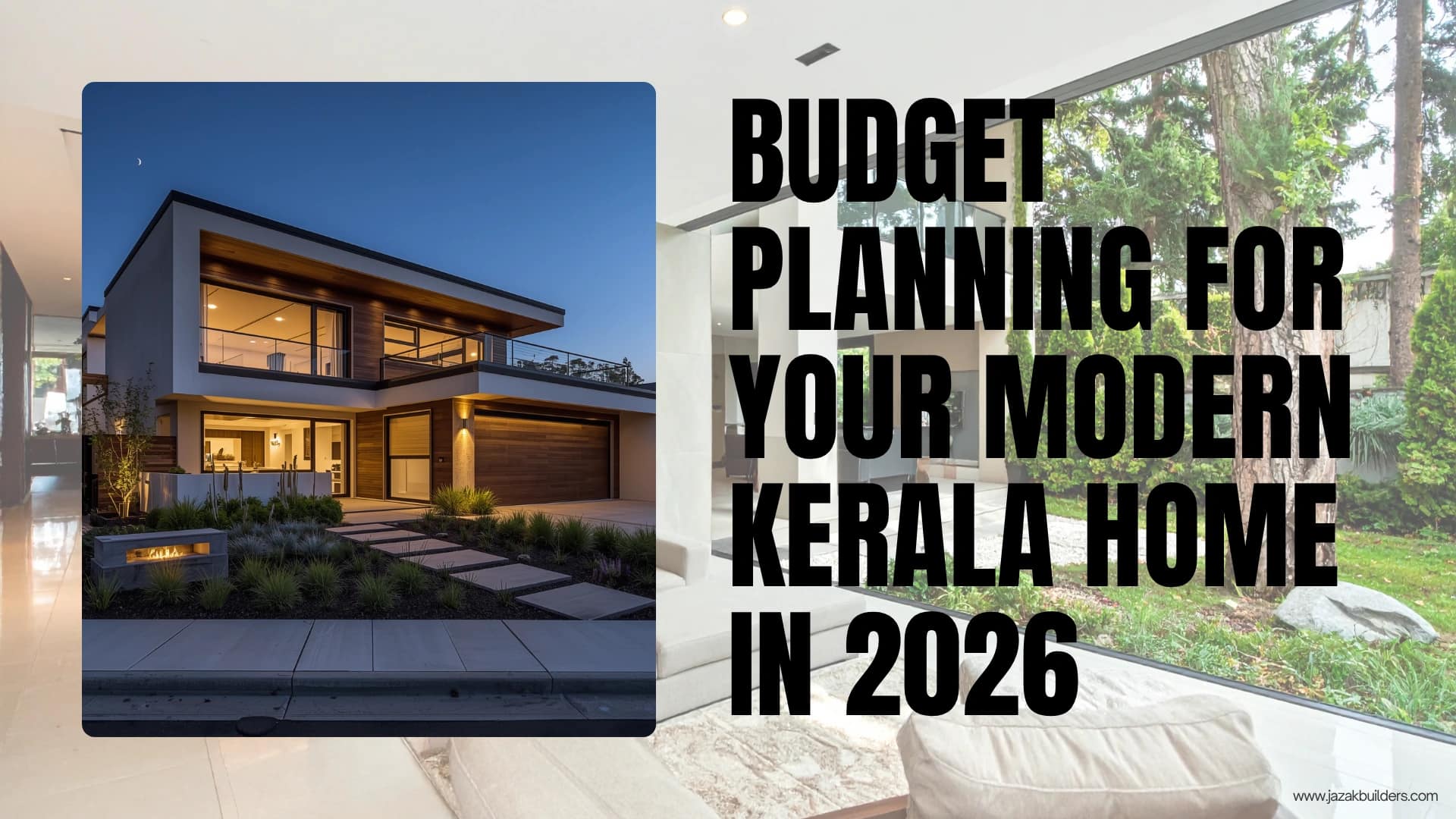
Understanding costs is essential when planning Modern Kerala House Design Ideas 2026. Construction costs in Kerala vary significantly based on location, materials, and finish quality.
- Basic construction (standard finish): ₹1,800 – ₹2,200 per sq. ft.
- Medium-quality construction (good finish, modular kitchen): ₹2,500 – ₹3,200 per sq. ft.
- Premium construction (high-end materials, architect-designed): ₹3,500 – ₹5,500 per sq. ft.
- Luxury (v-quality imported materials, smart home tech): ₹6,000+ per sq ft.
For a 1,500 sq. ft. home with a medium finish—which is the most popular category in Modern Kerala House Design Ideas 2026—expect a total investment of approximately ₹40 to ₹55 lakhs, including site development, interiors, and landscaping.
Always allocate 10–15% of your budget as a contingency fund for unexpected costs during construction. Working with a certified architect and a reputable contractor dramatically reduces the risk of budget overruns.
Best Materials for Kerala Climate in 2026
Choosing the right materials is critical for any home in Kerala’s tropical climate. The Modern Kerala House Design Ideas 2026 favor materials that are durable, climate-resilient, and aesthetically rich.
- Laterite stone—natural, locally available, excellent thermal mass, and beautifully textured.
- Teak and rosewood are premium choices for doors, windows, and staircases. Naturally resistant to humidity and insects.
- Porcelain and vitrified tiles — Preferred for flooring due to their resistance to moisture and ease of maintenance.
- AAC blocks (Autoclaved Aerated Concrete) are lightweight, thermally insulating, and faster to construct with than traditional bricks.
- Mangalore tiles are widely used for sloping roof sections and are excellent for rain management and temperature regulation.
- PVC and uPVC windows—Replacing wooden frames in many modern Kerala homes due to zero maintenance and excellent weather resistance.
Selecting locally sourced materials wherever possible not only supports the local economy but also ensures that the materials are naturally suited to the Kerala climate—a principle that is at the heart of the best modern Kerala house design ideas 2026.
Frequently Asked Questions
1. What is the most popular house style in Kerala in 2026?
The most popular style in 2026 is tropical minimalism — a design philosophy that combines clean, simple forms with natural materials like wood, laterite, and stone. Homes feature open layouts, large windows, flat or low-pitched roofs, and generous use of greenery. This style is perfectly suited for Kerala’s climate and has become the defining look of Modern Kerala House Design Ideas 2026.
2. How much does it cost to build a modern house in Kerala in 2026?
Construction costs range from ₹1,800 per sq. ft. for basic construction to ₹5,500 or more per sq. ft. for premium finishes. A well-designed 1,500 sq. ft. home with medium-quality materials typically costs between ₹40 and ₹55 lakhs, including interiors and site work. Always include a 10–15% contingency buffer in your budget.
3. Can I build a modern Kerala home on a small plot of 3 cents?
Absolutely. Many of the best modern Kerala house design ideas for 2026 are designed specifically for compact plots of 3 to 5 cents. Vertical design — building upward rather than outward — combined with smart space planning, open floor plans, and multi-functional rooms allow you to create a stylish, comfortable home even on a small plot. A good architect can maximise every square foot available.
4. Is Vastu compliance possible in a modern Kerala home design?
Yes, Vastu and modern design can coexist seamlessly. Most Kerala architects are well-versed in Vastu principles and incorporate them without compromising the modern aesthetic. Key elements like the direction of the main entrance, placement of the kitchen and master bedroom, and keeping the home’s centre open are all Vastu-friendly and align naturally with contemporary design trends.
5. What roofing style is best for a modern Kerala home in 2026?
Both flat roofs and low-pitched roofs are popular in 2026. Flat roofs are ideal for terrace gardens and solar panels, while low-pitched roofs with Mangalore tiles offer better rain drainage and a more traditional Kerala character. Many modern Kerala house design ideas for 2026 combine both a flat-roofed main block with a tiled roof over the entrance or sit-out area, giving the home a visually dynamic profile.
6. Which flooring material is best for Kerala homes in 2026?
Vitrified tiles and large-format porcelain tiles are the top choice for most modern Kerala homes due to their durability, easy maintenance, and wide range of designs. For premium homes, polished concrete and natural stone like Kota or Kadappa offer a sophisticated, earthy look. Wooden flooring is popular in bedrooms but requires proper treatment to handle Kerala’s high humidity levels.
7. How do I make my Kerala home energy-efficient in 2026?
Energy efficiency in a Kerala home starts at the design stage. Proper orientation of the house to maximise cross-ventilation reduces the need for air conditioning. Installing solar panels, solar water heaters, and LED lighting systems significantly cuts electricity bills. Using thermally insulating materials like AAC blocks and double-glazed windows also improves energy performance. Many modern Keralas in 2026 integrate all of these features from the ground up.
8. Do I need an architect for a modern Kerala home, or can I use a contractor directly?
While it is legally possible to build without an architect for smaller homes, hiring a qualified architect is strongly recommended for Modern Kerala House Design Ideas 2026. An architect ensures that the design is structurally sound, climatically appropriate, Vastu-compliant if needed, and aesthetically polished. They also help you avoid costly mistakes during construction and navigate local building permit regulations efficiently. The architect’s fee is almost always recovered through better design and reduced wastage.
9. What colour schemes are trending for Modern Kerala House Design Ideas 2026?
Earthy, nature-inspired palettes dominate Modern Kerala House Design Ideas 2026. Popular exterior colours include warm whites, off-whites, terracotta, sand, and deep charcoal combined with natural stone or wood accents. For interiors, warm neutrals – beige, cream, and taupe – paired with deep green, burnt orange, or navy blue as accent colours create a sophisticated and culturally resonant atmosphere. Avoid overly bright or synthetic colours, which can look dated quickly in a tropical setting.
10. How long does it take to build a modern house in Kerala in 2026?
For a standard 1,500 to 2,000 sq ft home, construction typically takes 12 to 18 months from foundation to handover — assuming no significant delays. The timeline includes site preparation, foundation, structure, roofing, masonry, plumbing, electrical, plastering, tiling, painting, and finishing. Delays due to monsoon season, material shortages, or plan changes are common, so always plan for a buffer of 2 to 3 months in your timeline.
Here’s a conclusion for your blog:
Conclusion
Kerala’s architectural identity has always been a beautiful dialogue between the past and the present — where sloping tiled rooftops meet glass facades, and courtyard breezes flow through open-plan living spaces. As we step into 2026, modern Kerala house design is no longer just about aesthetics; it’s about creating homes that are smart, sustainable, and deeply rooted in the culture of the land.
Whether you’re drawn to the elegance of contemporary minimalism, the warmth of traditional Nalukettu-inspired layouts, or the harmony of biophilic design, the key lies in thoughtful planning and skilled execution. Choosing the right design elements — from vastu-compliant spatial arrangements to energy-efficient roofing and locally sourced materials — can transform a house into a home that stands the test of time.
This is where expertise truly matters. Jazak Builders and Constructions LLP brings together a team of seasoned architects, designers, and builders who understand the unique character of Kerala’s landscape and climate. With a commitment to quality craftsmanship, innovative design solutions, and transparent project management, Jazak Builders and Constructions LLP turns your dream home into a living reality — on time and within budget.
If you’re planning to build or renovate your home in Kerala, let your vision be guided by professionals who care as much about your home as you do. Reach out the best home builders in kerala Jazak Builders and Constructions LLP today, and take the first step toward a home that’s built not just for 2026 — but for generations to come.